Support therapeutic group for children and adolescents
Given the current unfavorable situation with the increasing number of pediatric psychiatric patients, the Department of Clinical Psychology strives to improve the quality of life of children and adolescents. Through support therapeutic groups, we contribute to improving the quality of life of children after discharge from the child psychiatry ward. In the support group, the child is guided until they smoothly transition to regular individual psychotherapy.
Target group: intended for children and adolescents discharged from the child psychiatry ward.
Age specifics: For children and young people aged 7 to 18.
The children’s group and the adolescents’ group each work separately.
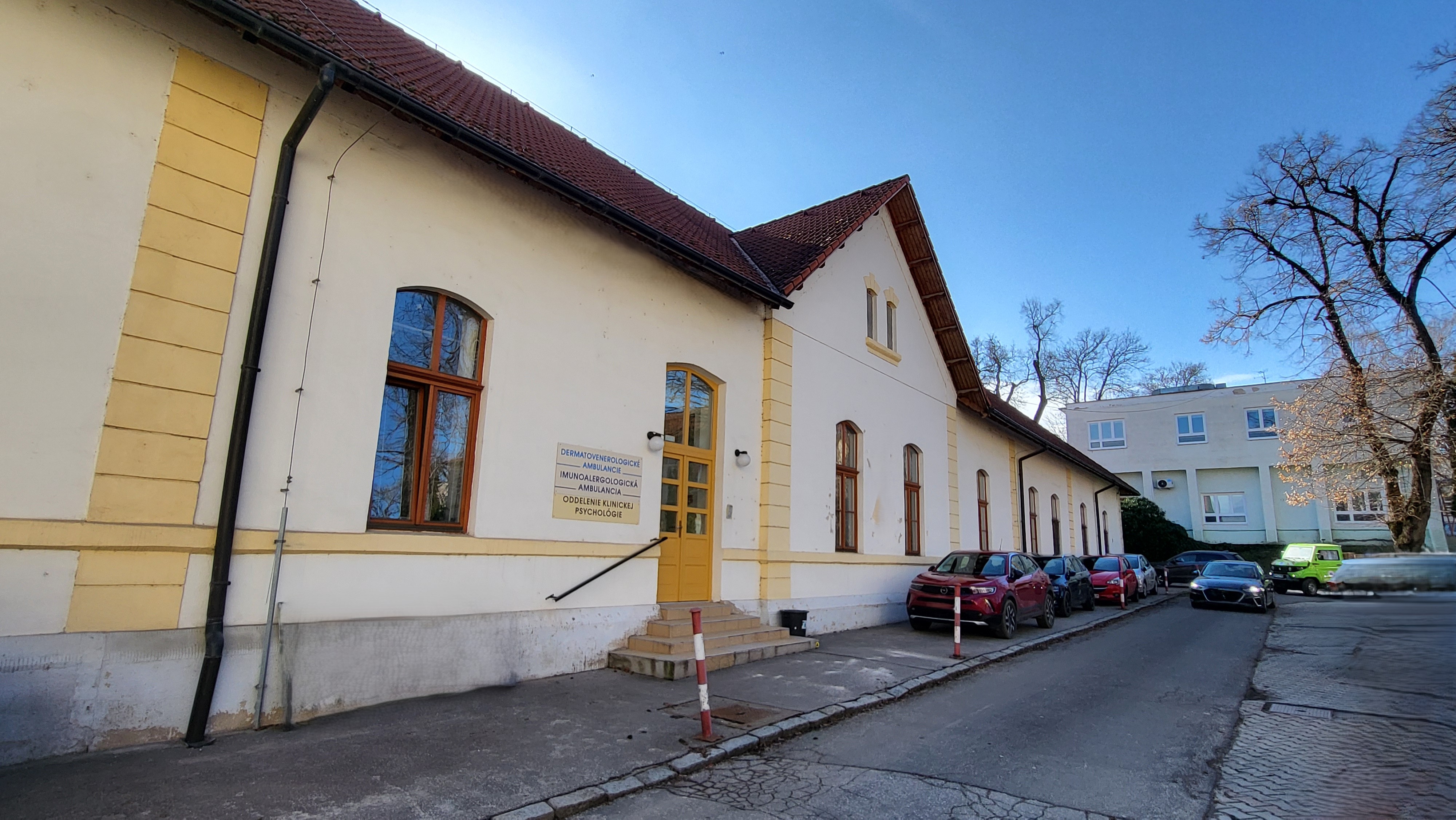
Where: University Hospital Nitra, Department of Clinical Psychology, 1st floor
Duration: temporary, due to the need for regular individual psychotherapeutic guidance in the outpatient clinic of a child psychologist
Dates: at regular intervals once a week
Price:The child’s participation in group meetings is free of charge, covered by the insurance company
Contact:
PhDr. Marcela Lecká, psychologist; 037/6545 817 /call on Tuesday, Wednesday, Thursday from 12:00 to 15:00/
Katarína Lüleyová, nurse; 037/6545 787
Benefits of support group therapy:
Support group guidance for children and adolescents makes it possible to better understand oneself through the perspective of others and, with their help, to find the courage for personal change. Group therapy is led by a psychotherapist whose role is to create a supportive and safe environment—an environment of security and trust. They create an environment in which all group members can openly and safely talk about their difficulties. Group therapy enables the child to gain orientation in various stressful situations, explanations of unknown things, and provides help in releasing and easing emotions such as fear, anxiety, sadness, and helplessness. It strengthens hope for recovery. It provides patients with support and acceptance—the feeling that a person is not alone with their difficulties/problems. They can talk about their feelings and understand their thoughts. The group supports experiencing a sense of belonging, enables self-expression, supports increasing self-confidence, and improves interpersonal relationships and communication. It creates space for experimenting with new behavior in relation to others. Children and adolescents learn to share their feelings and problems with each other, and thus face frustration and look for new and functional alternative solutions. Relationships are formed in the group, they support each other, and a group atmosphere is created. Various other techniques can also be incorporated into group therapy, e.g., art therapy, music therapy, psychodrama, psychogymnastics, or social skills training.